



paraag's chronicles
A Journey through written Research & Thought
We experienced the profound loss of our beloved son, Paraag Shukla, on January 28, 2020.
Paraag's absence leaves an enduring void that we find difficult to bear. While we grieve for him deeply, we also hold a sense of pride and gratitude for the time we had together. The universe bestowed many gifts upon Paraag, yet time was not one of them. Nevertheless, he lived a remarkable life and achieved a great deal in his brief time, guided by his personal philosophy: "Too much to do, too little done."
Paraag was an ardent advocate for lifelong learning and the significance of knowledge, grounded in both empirical evidence and rational thought. He often remarked, "Without facts, it is hearsay." The volume and caliber of work produced by Paraag are substantial, albeit dispersed. Much of his writing for the Department of Defense remains classified, yet it is poised to influence global affairs and foreign policy for years to come. Additionally, a wealth of his work is accessible to the public, including research papers, articles, analyses, and interviews published by the institutions with which he was affiliated.
In an effort to consolidate Paraag's insights, expertise, and knowledge, we resolved to compile his work into a single volume. We believe this collection will serve as a valuable resource for students, scholars, researchers, colleagues, friends, and anyone interested in the fields that Paraag passionately explored.
This endeavor, undertaken amidst our grief, symbolizes our resolve to overcome the pain of mourning, and respect, preserve, and honor the intellectual legacy of our beloved son, Paraag Shukla.
HOME
The Author
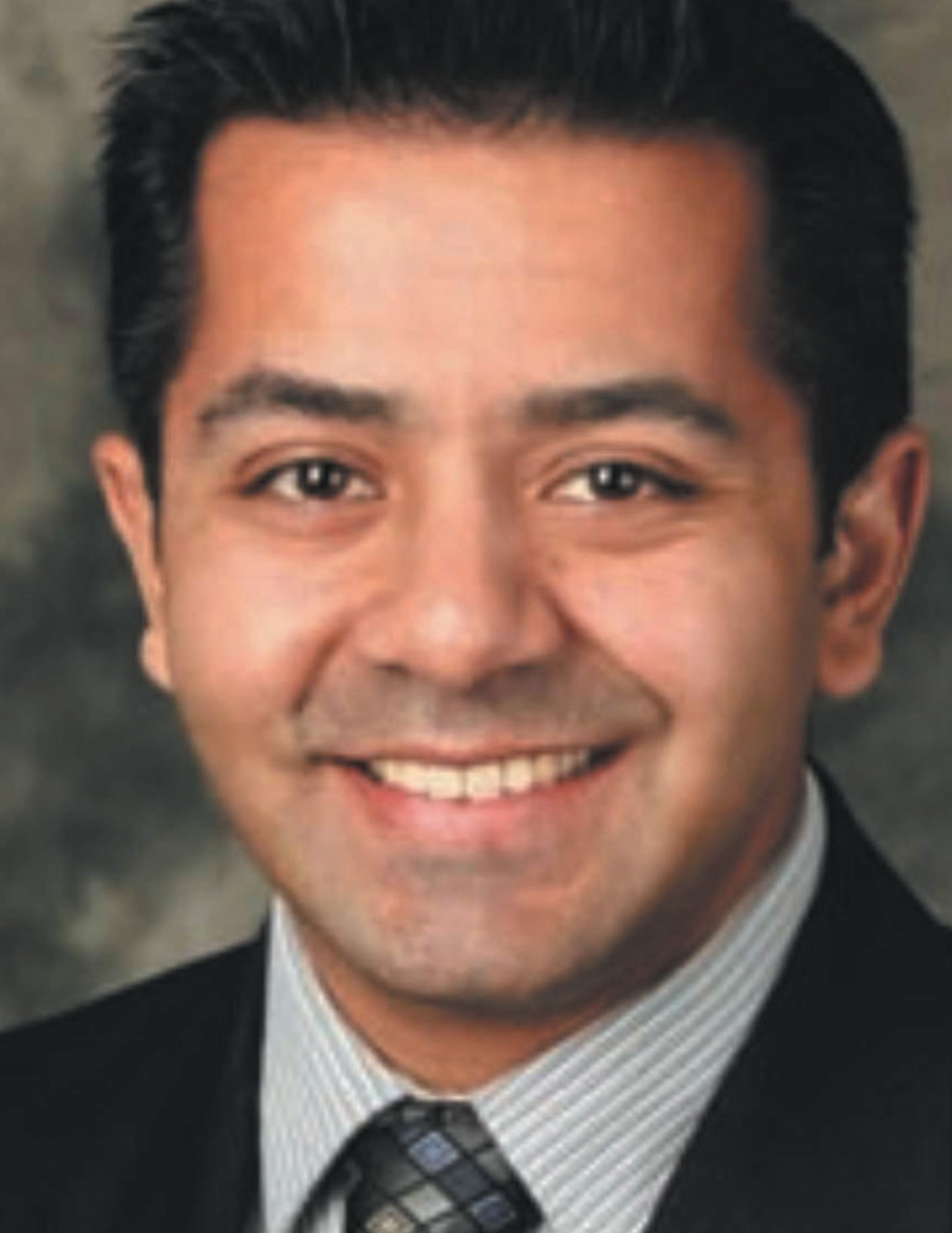
Paraag Shukla was highly regarded for his intellect and expertise in international relations and security, having contributed significantly at the Rand Corporation, Institute for the Study of War, History.net, and the Department of Defense.
Buy the Book
In essence, this collection is more than just an academic contribution; it is a heartfelt homage to the author’s legacy. It invites readers to engage with the ideas and narratives that shaped the author’s worldview, fostering a deeper appreciation for the interplay between personal experience and scholarly inquiry. As such, it serves as an important educational tool, encouraging critical thinking and reflection within the community while honoring the memory of a remarkable intellect.
